insight
In these industries, a 3D configurator boosts your revenue
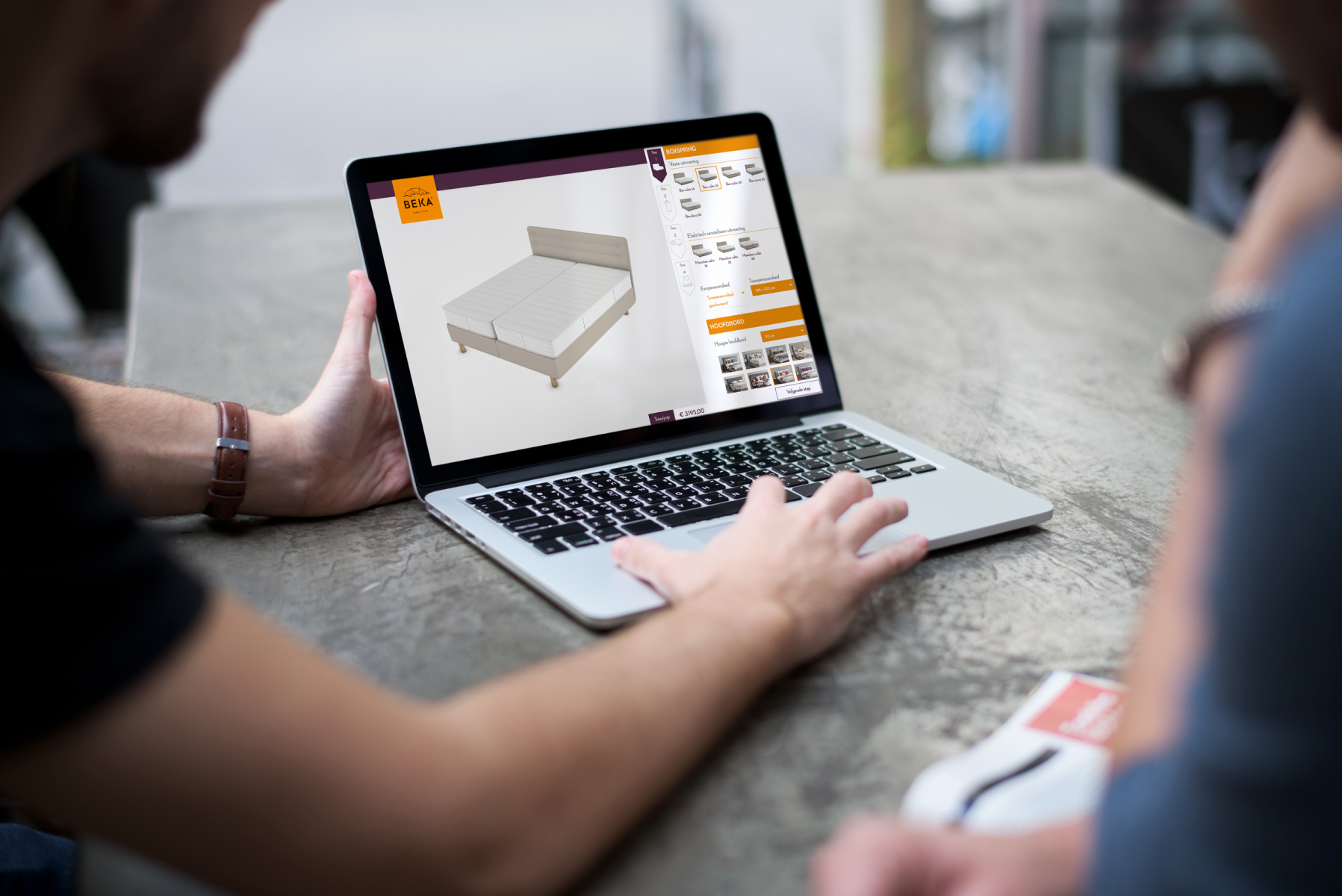
In a world where customization and personal preference are becoming ever more dominant in buying behavior, the 3D configurator has emerged as a true game changer. Simply put, 3D configuration allows customers to adapt products to their own taste and preference. Endlessly. The upholstery of the seats in their dream car, for example. Or the handles of a made-to-measure wardrobe. But even in more unexpected industries, this made-to-measure approach pays off. The reach of 3D configuration keeps expanding.
The construction industry: pioneers in 3D configuration
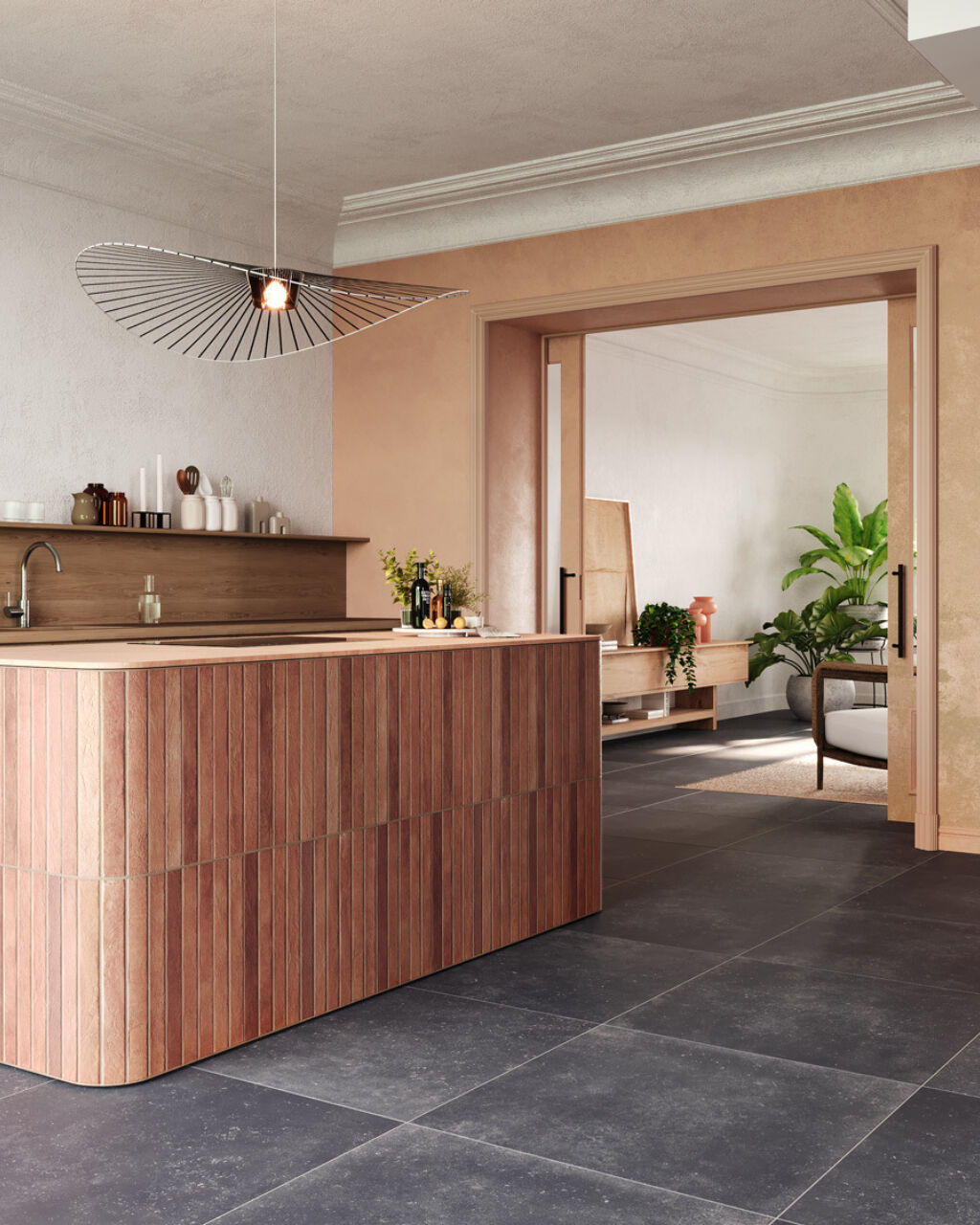
It's wonderful that customers can get a sofa in any RAL color. But manufacturing every single one of those sofas just to display them on a webshop? Madness. With 3D configuration, your sofa changes color with a single click. Or its legs and upholstery. The same goes for kitchens, bathrooms, flooring... Because of the strongly individualistic and aesthetic nature of the construction and interior industry, they were among the first to embrace 3D configuration.
So it's mainly the industries where the customer, whether that's other businesses or individual consumers, has countless choices that benefit most from 3D configuration. Industries too, where the aesthetic factor plays an important role. A quick look at our cases immediately shows how surprisingly broad the range of sectors is. Umbrosa uses 3D configuration for parasols, Vandersanden brings dream homes to life with a brick generator; and being able to browse sun shading or shutters in countless variations before clicking "add to cart"? Done.
A focus on individuality
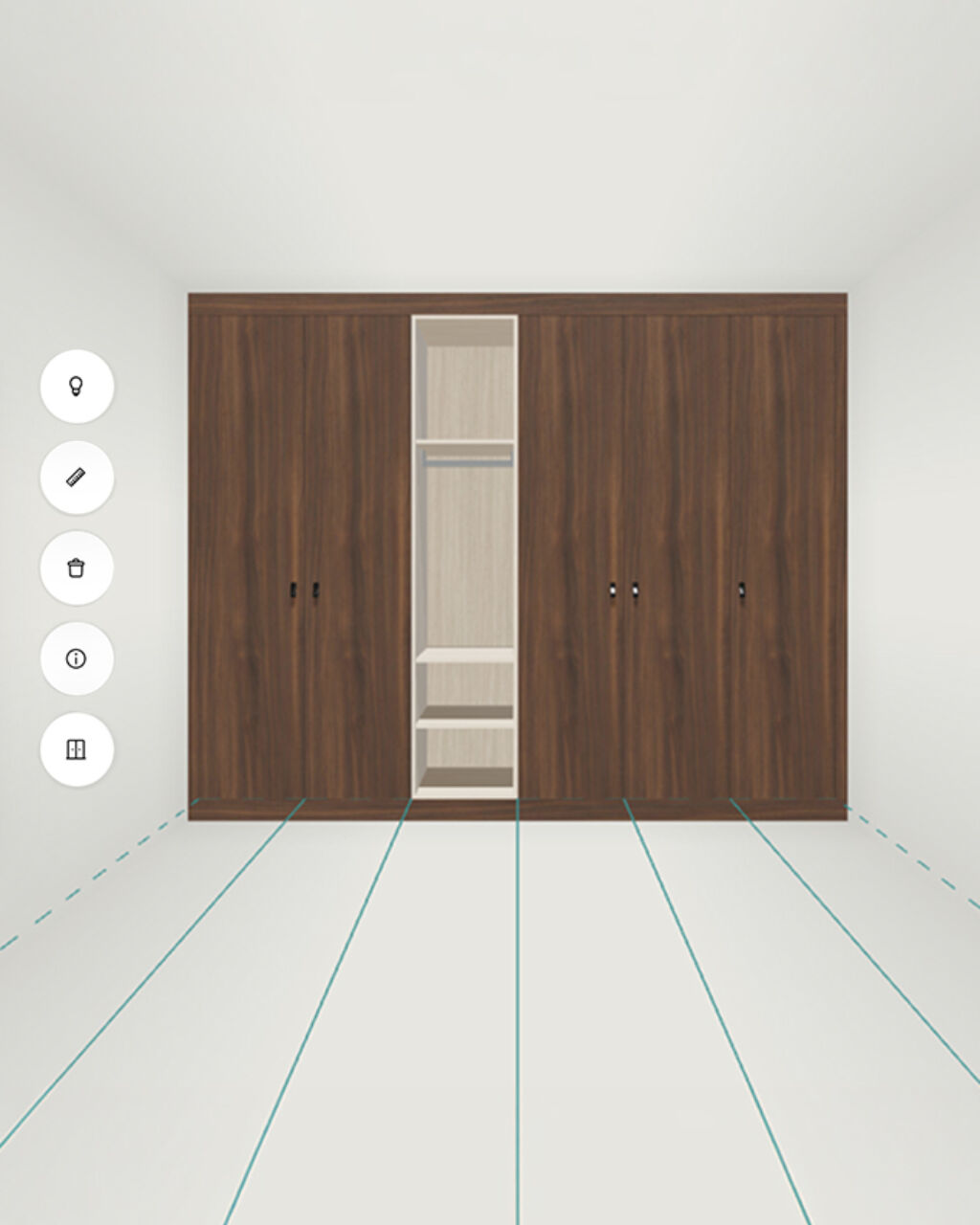
Individuality is key. That was already true, but it will become even more so in the future. Customers want, above all, a product that reflects their choices and personality. Enter: customization. A trend that Maatkasten Online was the first in their sector to pick up on: their 3D configuration allows the customer to design a complete custom wardrobe or dressing room, and immediately order and pay for it. The product is essentially finished before it's even made.
So is 3D configuration mainly useful for the more technical or "modern" industries? Absolutely not. Take custom-made clothing, for example: enter your measurements, choose the color, finish and material, and order. While the costs of broad-scale implementation are still too high for certain industries, the potential is undeniable.
More than a gimmick
E-commerce and 3D configuration go extremely well together. That's why 3D configuration is more than just a nice-to-have gimmick on your website. It can be the engine that seriously drives up your revenue. On one hand, as a complement to traditional sales methods. An online shop alongside the brick-and-mortar store for example. On the other hand, it can also transform the entire production and sales chain.
Take the example of Maatkasten Online: what started as a carpenter wanting to use his machines more efficiently evolved into a fully integrated system where the configurator is directly connected to the production line. Translation: optimal use of the machinery, fewer intermediate steps, higher revenue, and a highly individual, customer-focused user experience. What's not to like?
Does your product have options too?
Wonderful! With 3D configuration, you can bring them all to life.
Let's talk